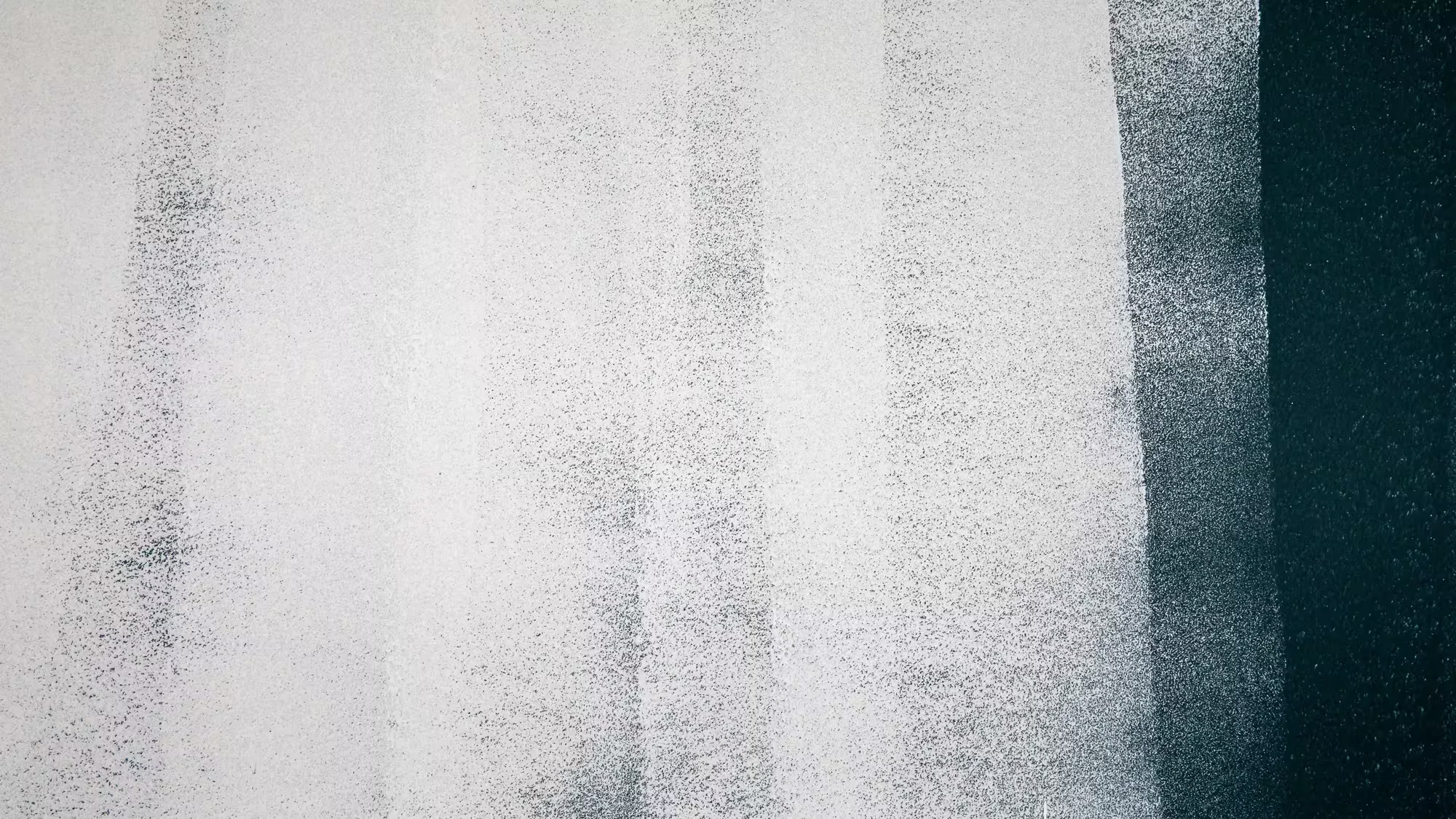
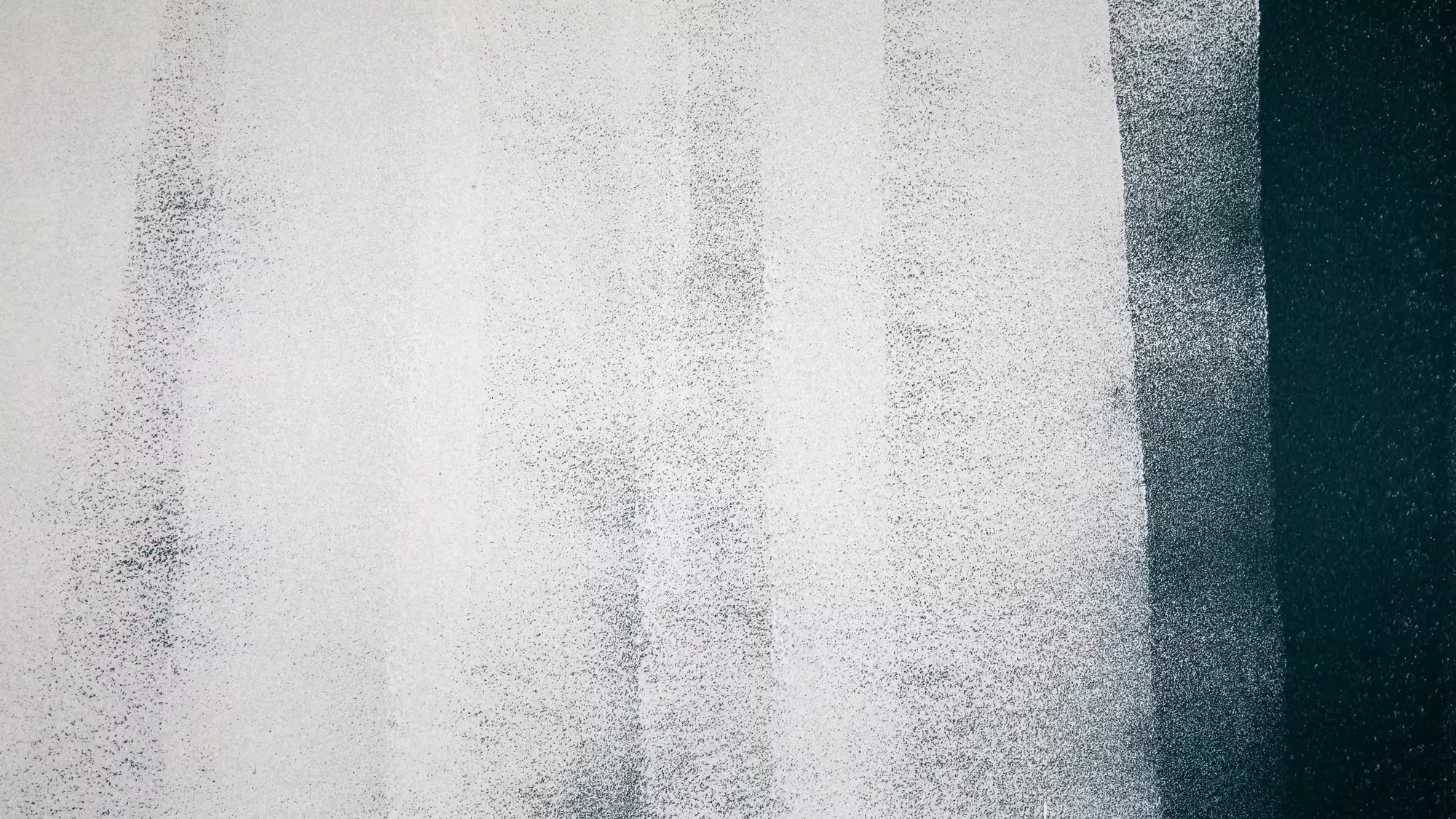
Lapping
Appearance of a denser colour or higher gloss where wet and dry layers overlap during paint application.
Appearance of a denser colour or higher gloss where wet and dry layers overlap during paint application.
Failure to maintain a 'wet edge' when applying paint
Maintain a wet edge when painting by applying paint toward the unpainted area and then back into the just-painted surface. This technique (brushing from "wet to dry," rather than vice versa) will help produce a smooth, uniform appearance.
It is also wise to minimise the area being painted and plan for interruptions at a natural break, such as a window, door or corner (especially important when applying stain to bare wood). Solvent-based paints generally have superior wet edge properties.

Have you noticed small droplets appearing on your fresh coat of acrylic paint? Don't panic – it’s a normal part of the curing process. Find out more.

Yellowing describes the development of a yellow cast in ageing paint solvent-based enamels.
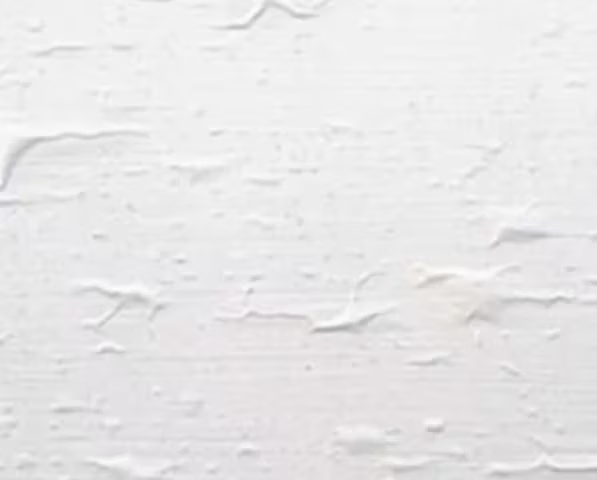
Wrinkling is a term to describe a rough, crinkled paint surface, which occurs when uncured paint forms a 'skin'.

Tannin staining is the brownish or tan discoloration on a painted surface due to migration of tannins from the substrate through the paint film.