Acratex
Sedona Sand Finish

Acratex
Sedona Sand Finish

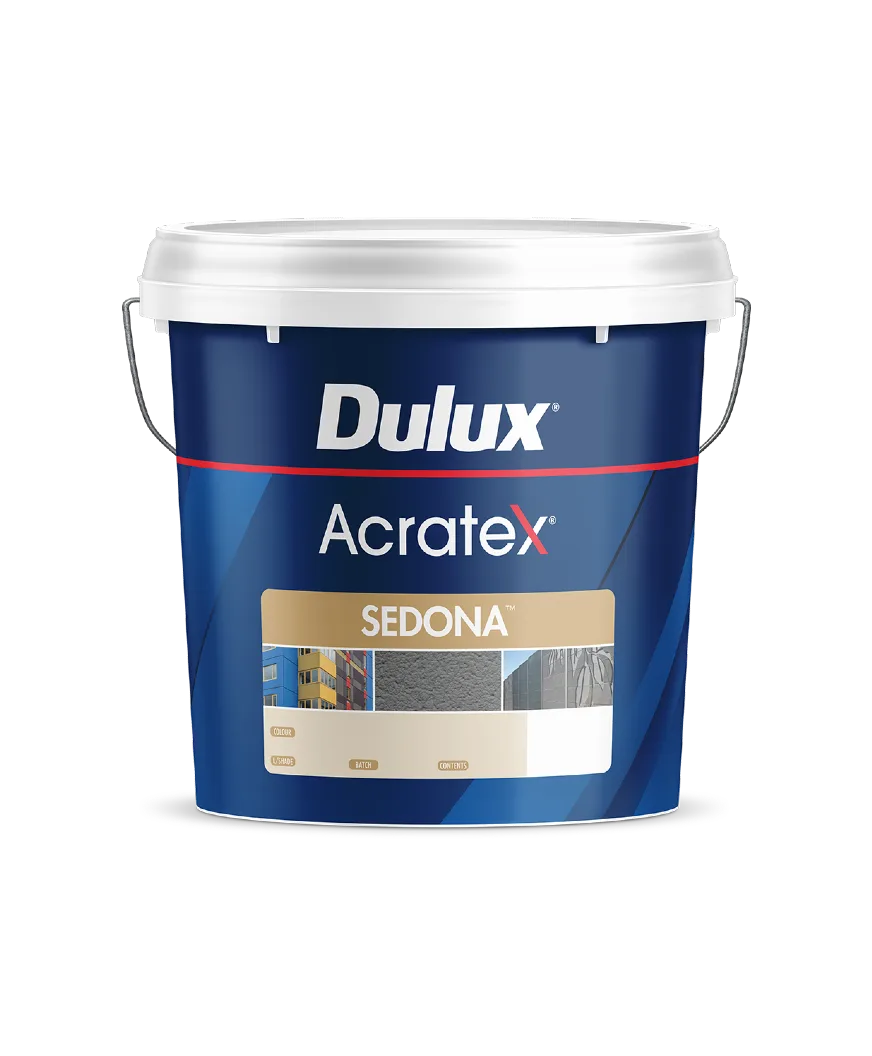
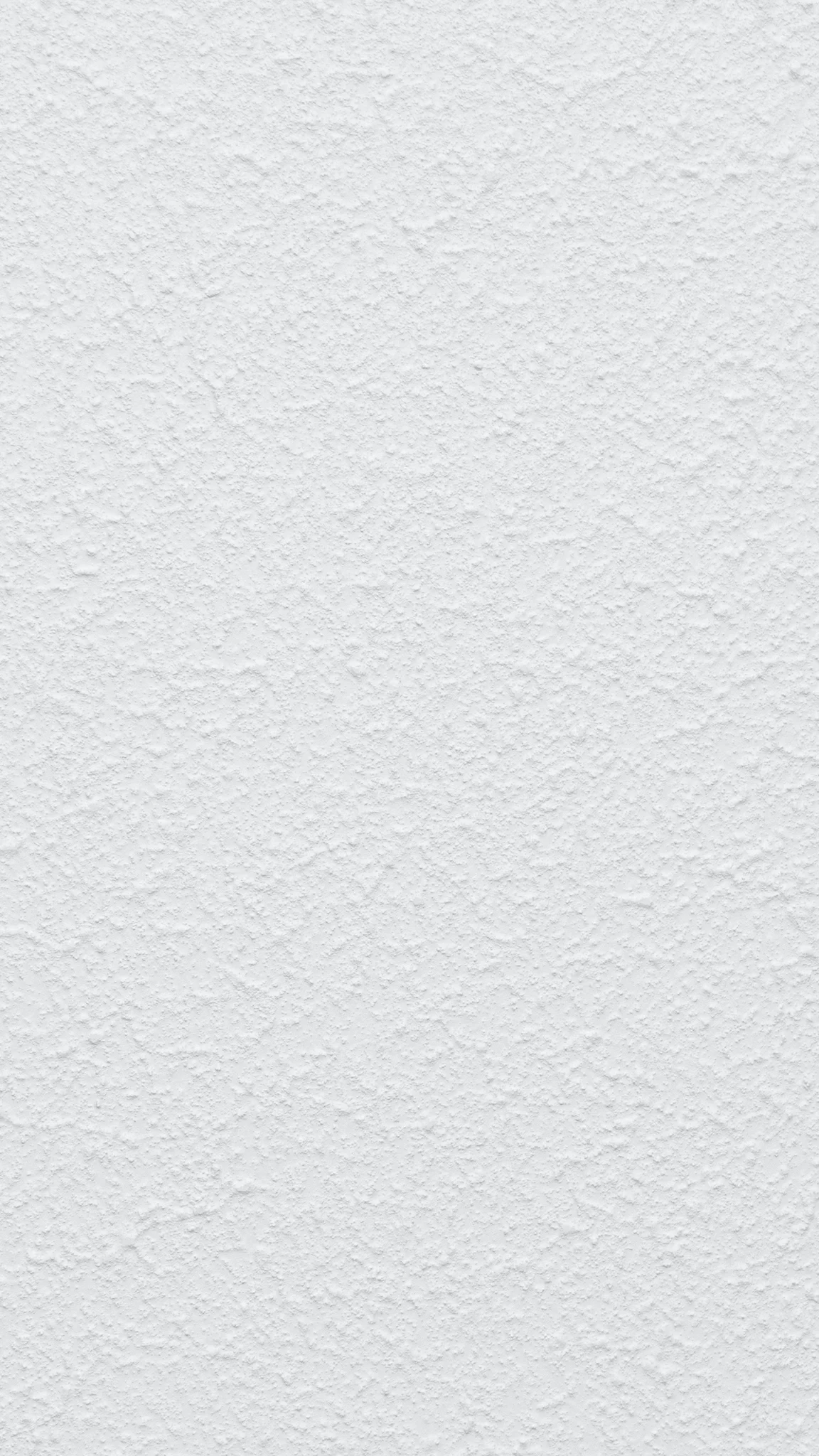
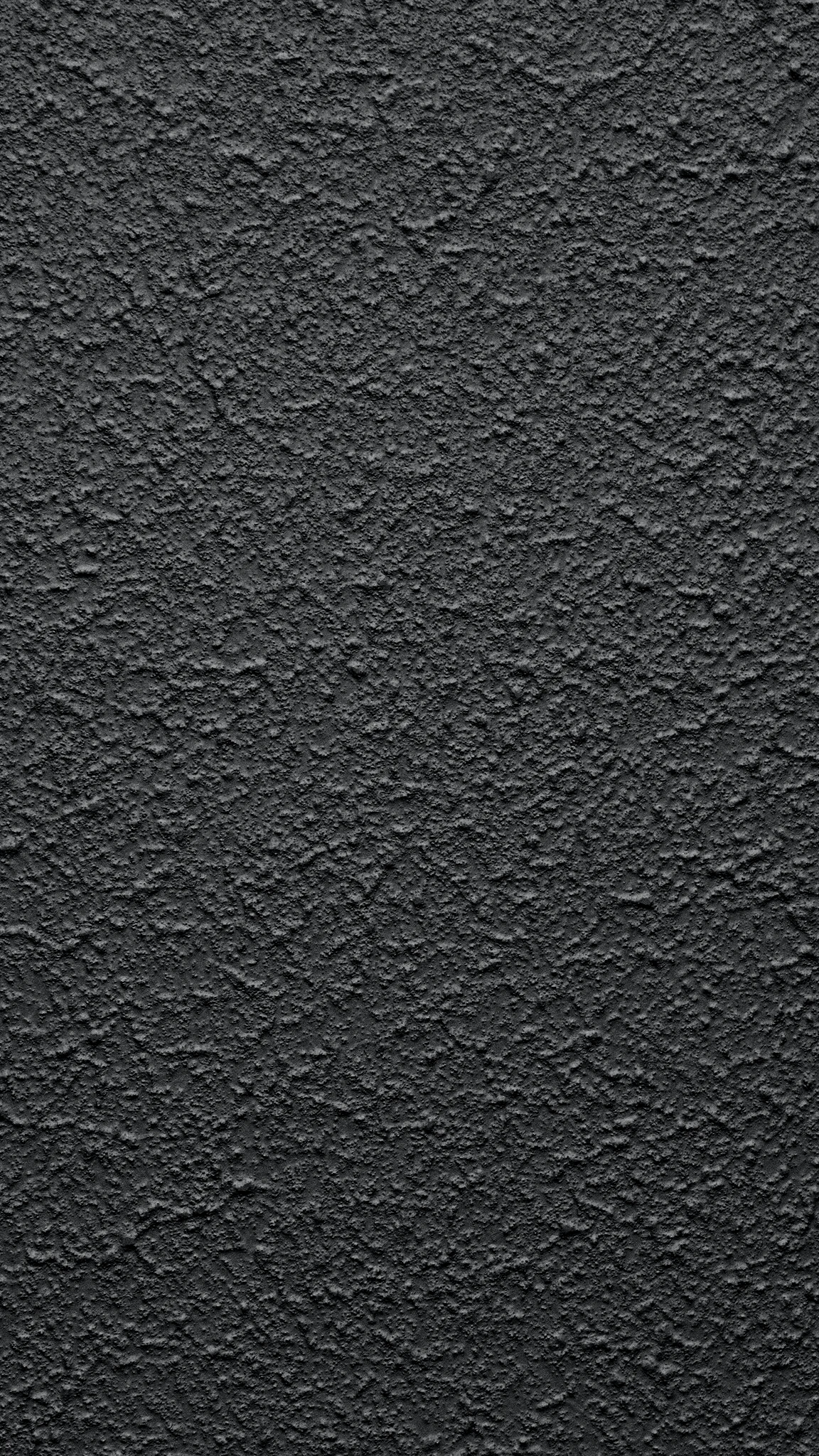
Acratex® SEDONA™ is a flexible 100% acrylic, mid build sand texture, formulated to produce a granular sand texture with low profile roller stipple by conventional nap roller or fine texture roller stipple for higher film build and substrate covering power. Specified in system with Acrashield® Advance weatherproofing barrier topcoat for optimum weatherability.

Re-coat
2 hours

Cleaning materials
Water
Application Tools
Brush, Roller, Hopper Gun
Practical spreading rates will vary from quoted theoretical figures depending on substrate porosity, surface roughness, overspray losses, application methods and environmental conditions (e.g. wind).
Do not apply paint if Relative Humidity is above 85% or temperature is within 3°C of Dew Point.
Do not apply if the surface temperature is greater than 30°C or below 10°C, or likely to fall below 10°C during the application or drying period.
Dry times apply to a single coat at recommended spread rate and at 25°C and 50% Relative Humidity Protect from dew, rain and frost for 48 hours when apply at the recommended spread rate.
Allow longer times under cool, moist, or still conditions and or when applied at high film builds.
Avoid application in hot, windy conditions or on hot surfaces.
Application techniques should be adjusted to achieve the recommended DFT and finishing standard.
When using Bright Reds, Oranges, Blues and Yellows or where very light colours are applied over highly contrasting colours an extra coat maybe required.
To avoid "Picture Framing" of texture topcoats "wet on wet" cutting in & coating technique is recommended or apply multiple coats thinning the first coat.
SURFACTANT LEACHING FROM EXTERIOR WATER-BASED COATINGS
Occasionally clear or white spots/streaks are seen on a newly painted surface within the first few weeks after application. They usually appear after light rain or overnight dew and generally located in sheltered areas or areas with limited sun exposure. Under normal conditions surfactant contained in the tinted paint colour is slowly leached to the surface and washed away by rain leaving no trace and is a normal part of drying of any exterior water-based paint.
Under certain atmospheric conditions and these surfactants leach or migrate to the paint surface, is concentrated forms and leaves clear or white deposits upon drying. These conditions include cool or humid weather or painting cold substrate and in most cases these marks on the wall surfaces are more noticeable on dark colours, such as browns or dark greens, etc. The clear/white surfactants that have migrated to the wall surface areas will cause no down grading nor performance changes or long term durability concerns of the paint films integrity and unfortunately have become an appearance issue instead. They easily removed from the paint film within a week or so of their appearance by washing with warm water & commercial grade detergent or via Nifti or Spray'n'Wipe followed by rinsing with fresh clean water.
Under severe conditions they may reappear once or twice until all the surfactant has been removed. It will be less noticeable each time, and can be removed in the same manner as before.
At Commencement of coating system application to the substrate it shall be deemed that the Applicator has certified that the surface which it is to be applied to is fit to receive the specified coating(s) system. When the Applicator is preparing the site sample for approval he should advise the Project Superintendent if the substrate condition is not of sufficient standard to produce the specified finish.
Where possible avoid dark colours - these will give raise to much higher surface temperature that may cause addition thermal stress and cooling demand to the building envelope and/ or require extra engineering considerations (greater building costs).
The coastal area is considered a marine environment and as such salt potentially can shorten the life of the coating systems. Care needs to be taken to wash down all areas twice. Once to remove surface contaminants, and raise salts to the surface and then secondly to remove these salts. Due to the locality, weather conditions and lag time between applications of the coating system it may require the need to wash again, between coats.
This Data Sheet is to be read in conjunction with a full DULUX system specification.
A DULUX warranty can be provided on request, when a full AcraTex system is applied by a DULUX AcraTex trained applicator, according to specification, & at the specified spreading rates, & to the surface preparation details described in the DULUX AcraTex Specification Manual. The dynamics of the substrate is outside the control of Dulux and as such joint deformation or cracking is excluded from warranty terms. Refer warranty document for full terms and conditions.
All surfaces must be cured, clean, sound and free of all contaminants such as form oils, release agents and mortar splashes. Masonry substrates (including cement render) should be cured for 28 days before coating. Surface imperfections, misalignments and protrusions must be levelled and patched flush to surrounding surfaces. Metal, tie wire, etc. on surface must be removed or treated against corrosion. If substrate is powdery or friable prime with Dulux Acratex AcraPrime. (refer AcraPrime data sheet for detail)
Where Patching is required, patch with Dulux Acratex AcraPatch (after priming), and spot prime patching using Dulux Acratex AcraPrime WB. (refer AcraPatch Data Sheets for detail)
When cutting in edges, brush and roll-in a continuous process to avoid differences in gloss level. Application on single areas should be completed uniterrupted.
All independent tests are available on request.
Product should be thoroughly mixed before use.
Refer to the Dulux Acratex Application Manual for detailed application instructions.
Nap roller finish (Light relief Sandy Texture)
Apply multiple coats using a 10 - 20mm Nap roller at 3-4 sq.m / litre
2 coats minimum recommended
Low profile texture (Medium Texture profile):
Apply 1 coat with a low profile black Texture Roller at 2 -3 sq.m / litre
Apply a 2nd (finishing coat) with a nap roller at 3-4 sq.m / litre